 admin
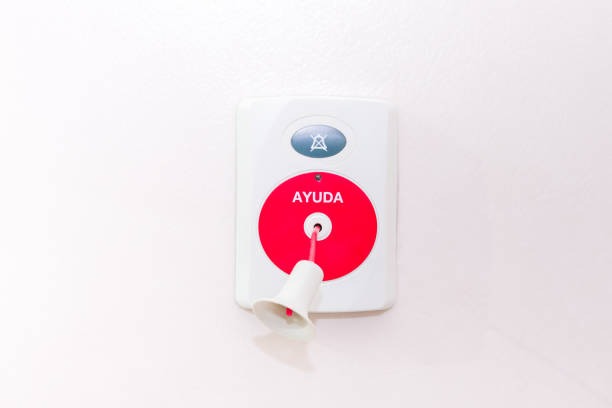
Nurse call technology has become an essential component in modern healthcare settings, greatly enhancing communication between patients and medical staff. Its practical uses extend beyond simply alerting nurses to patient needs, improving overall workflow, patient safety, and satisfaction in hospitals, nursing homes, and assisted living facilities.
One of the primary practical uses of nurse call systems is immediate communication. Patients can easily notify nurses when assistance is required, ensuring timely responses to their needs. This capability is particularly crucial for patients with limited mobility or those recovering from surgery who may require urgent help. Instead of waiting for periodic rounds, patients can directly signal nurses, reducing wait times and enhancing comfort.
In addition to patient-initiated calls, nurse call technology supports staff communication within healthcare units. Nurses can coordinate more effectively by sending alerts or messages to colleagues or supervisors, facilitating better teamwork and faster problem resolution. For example, if a nurse requires help lifting a patient or needs assistance with medication administration, they can quickly notify the appropriate personnel, streamlining care delivery.
Advanced nurse call systems integrate with other hospital technologies such as Electronic Health Records (EHR) and real-time location systems (RTLS). This integration allows medical staff to access patient information instantly when responding to calls, enabling more informed and efficient care. Moreover, RTLS integration can track staff and equipment locations, optimizing resource allocation and reducing response times.
Another practical application is the ability of nurse call technology to enhance patient safety. Many systems include fall detection and emergency alarms, alerting nurses immediately if a patient is in distress or has fallen. This proactive feature helps prevent complications and ensures rapid intervention, which is critical in emergency situations.
Furthermore, nurse call systems contribute to regulatory compliance and quality assurance. They allow healthcare facilities to document response times and staff interactions with patients, providing valuable data for audits and performance evaluations. This functionality supports continuous improvement initiatives and helps meet standards set by healthcare accreditation organizations.
In long-term care facilities, nurse call technology also promotes patient dignity and independence. Patients can request assistance discreetly without needing to raise their voice or leave their rooms, maintaining privacy and comfort. This aspect is especially important for elderly residents or those with chronic conditions who require frequent but respectful support.
Overall, nurse call technology plays a vital role in enhancing communication, improving patient safety, and optimizing healthcare workflows. Its practical uses make it an indispensable tool in delivering high-quality patient care across various healthcare environments.