
 admin
admin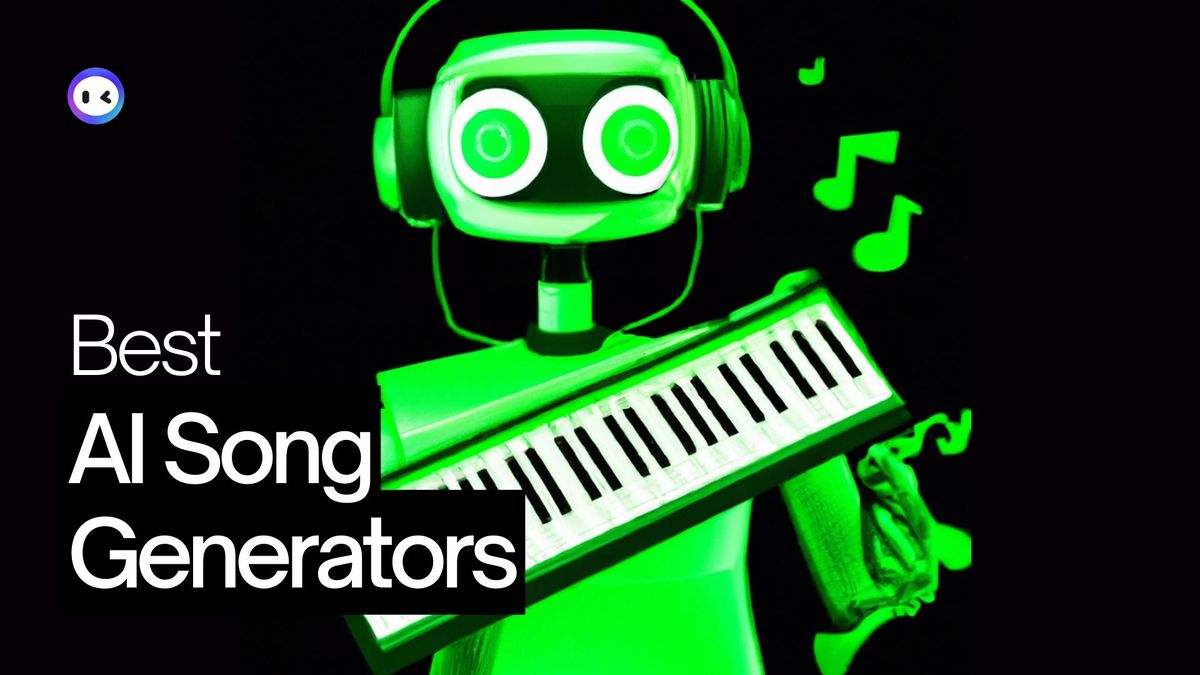
In recent years, the landscape of music creation has undergone a remarkable transformation, and by 2026, AI song makers have become an indispensable tool for musicians, producers, and enthusiasts alike. These advanced systems harness the power of artificial intelligence to compose melodies, generate lyrics, and even produce entire tracks with minimal human intervention. The surge in popularity of AI-powered music tools can be attributed to several compelling reasons that make them worth exploring.
One of the primary advantages of using an AI song maker is its ability to accelerate the creative process. Traditional songwriting often involves hours or even days of brainstorming and experimentation. AI tools can instantly generate multiple musical ideas based on user input or preset parameters, providing a rich palette from which artists can draw inspiration. This rapid generation not only saves time but also helps overcome creative blocks by offering fresh perspectives that might not occur naturally.
Moreover, AI song makers democratize music production by lowering barriers to entry. Aspiring musicians who lack formal training in composition or instrument proficiency can still create high-quality songs using intuitive interfaces powered by AI algorithms. This inclusivity fosters diversity within the music industry as more voices find platforms for expression without being hindered by technical limitations.
Another significant reason to try an AI song maker is customization flexibility. Modern systems allow users to tailor generated content according to genre preferences, mood settings, tempo adjustments, and lyrical themes. Whether someone desires a soulful ballad or an upbeat electronic track, these tools adapt seamlessly to meet varied artistic visions while maintaining coherence in structure and harmony.
Furthermore, collaboration between humans and machines enhances creativity rather than replacing it entirely. Musicians can use AI-generated drafts as starting points-refining melodies or rewriting lyrics-to produce unique compositions that blend human emotion with algorithmic precision. This synergy opens new horizons for innovation within songwriting practices.
The cost-effectiveness of employing an AI song maker cannot be overlooked either. Professional studio time and hiring session musicians often require substantial investment; however, many AI platforms offer affordable subscription models or one-time purchases accessible from personal devices like smartphones or laptops.
Lastly, staying ahead in today’s competitive digital era means embracing technological advancements that redefine how art is made and consumed. Exploring AI-driven songwriting equips creators with cutting-edge resources enabling experimentation beyond conventional boundaries while expanding their repertoire effortlessly.
In conclusion, trying an AI song maker in 2026 presents numerous benefits-from speeding up creativity cycles and fostering inclusivity to offering customizable outputs at reduced costs-all contributing towards reshaping modern music production into a more innovative and accessible domain for everyone involved.