
 admin
admin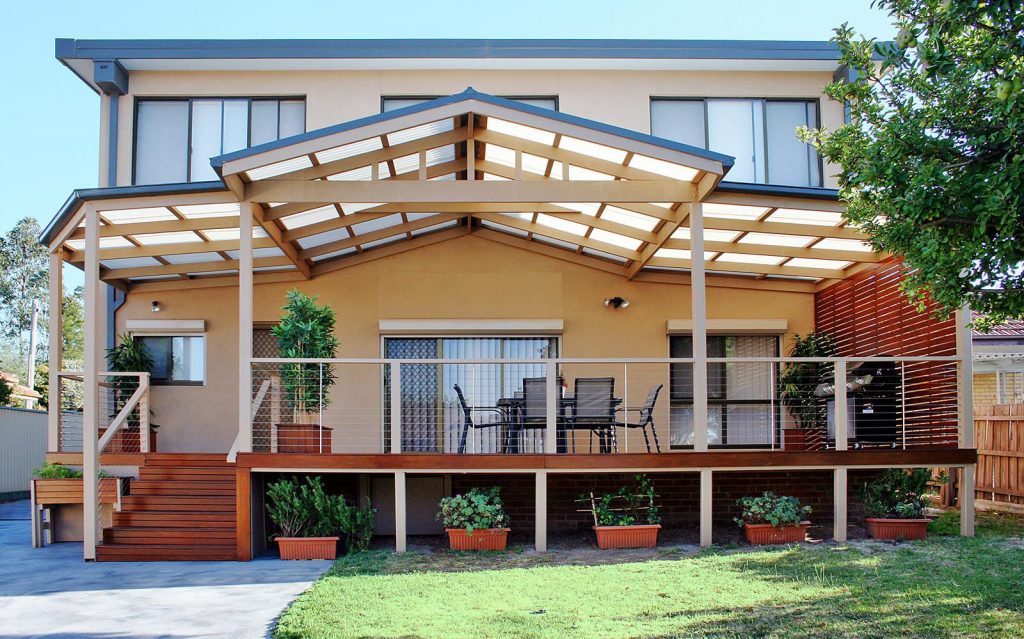
When considering a house extension project, selecting the best roof is crucial to ensure structural integrity, aesthetic harmony, and long-term durability. The roof not only protects the new space from weather elements but also complements the existing architecture of the home. Therefore, choosing the right roofing material and style requires careful evaluation of various factors including climate, budget, design preferences, and maintenance requirements.
One of the most popular choices for house extensions is a pitched roof. Pitched roofs are characterized by their sloping surfaces which allow efficient water drainage and prevent snow accumulation in colder climates. They blend seamlessly with traditional homes that already have pitched roofs, maintaining architectural consistency. Materials commonly used for pitched roofs include asphalt shingles, clay or concrete tiles, slate, and metal sheets. Asphalt shingles are cost-effective and easy to install but may have a shorter lifespan compared to tile or slate options which offer greater durability and an elegant appearance.
Flat roofs have gained popularity in modern home extensions due to their sleek look and versatility in design. Flat roofs provide additional usable space on top which can be transformed into rooftop gardens or terraces. However, they require excellent waterproofing systems because water tends to pool rather than run off quickly as it does on pitched roofs. Materials such as EPDM rubber membranes or bitumen felt are often used for flat roofing solutions owing to their waterproof properties.
Another important consideration is insulation performance when selecting a roofing type for an extension project. A well-insulated roof improves energy efficiency by reducing heat loss during winter months while keeping interiors cool during summer seasons. Both pitched and flat roofs can be insulated effectively using modern materials like rigid foam boards or spray foam insulation.
The choice of roofing should also take into account local building regulations and planning permissions since some areas impose restrictions based on historical preservation rules or neighborhood aesthetics guidelines.
In conclusion, there is no one-size-fits-all answer when determining the best roof for house extension projects; it depends largely on individual circumstances including existing structure compatibility, environmental conditions, budget constraints, and personal taste. Pitched roofs offer reliability with traditional appeal whereas flat roofs cater more towards contemporary designs with functional outdoor spaces. Consulting with architects or roofing specialists can help homeowners make informed decisions that balance practicality with visual appeal ensuring that their extended living area remains protected and attractive for years to come.