 admin
admin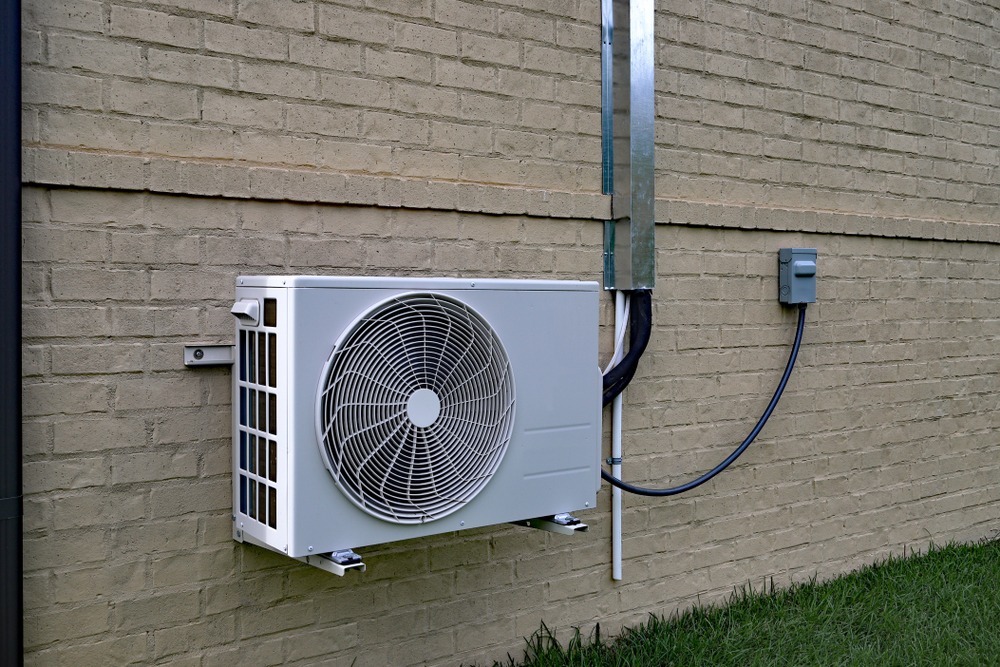
Installing a mini split system can be an excellent way to improve home comfort and energy efficiency, but mistakes during installation can lead to poor performance and costly repairs. One common error is improper sizing of the unit. Selecting a system that is too large or too small for the space will affect efficiency and comfort levels. An oversized unit may cycle on and off frequently, causing wear and inconsistent temperatures, while an undersized one will struggle to maintain desired conditions. It’s essential to perform accurate load calculations based on room size, insulation quality, window placement, and climate before choosing the right capacity.
Another frequent mistake involves incorrect placement of both indoor and outdoor units. The indoor air handler should be installed in a location that allows optimal airflow without obstructions such as furniture or curtains blocking vents. Positioning it too close to heat sources like ovens or direct sunlight can also reduce effectiveness. The outdoor condenser must be placed on a stable surface with enough clearance for proper ventilation; cramped spaces restrict airflow leading to overheating issues. Additionally, installing the outdoor unit near noisy neighbors’ windows or sensitive areas could create disturbances.
Improper refrigerant handling is another critical concern during Mini Split installation. Many installers fail to follow manufacturer guidelines when charging refrigerant lines or neglect leak testing after connecting components. Incorrect refrigerant levels compromise cooling capacity and may damage compressor parts over time. It’s vital that all connections are carefully sealed using appropriate tools, followed by pressure testing to confirm there are no leaks before activating the system.
Electrical wiring errors also pose significant risks in mini split installations. Using insufficient gauge wires or failing to install dedicated circuit breakers can cause electrical faults or fire hazards later on. Ensuring compliance with local codes for power supply requirements protects both equipment longevity and occupant safety.
Lastly, neglecting proper drainage setup leads to water damage problems inside walls or ceilings where condensate lines run improperly sloped or clogged drains cause backups resulting in mold growth over time.